Thank You ZSU Pictures: 24 Fresh Captions, Ideas and a Making Guide
The best thank you ZSU pictures do a simple job well: they carry gratitude further than a spoken sentence can travel. ZSU is the Ukrainian abbreviation for the Armed Forces of Ukraine, and pictures built around thanking its soldiers — shared in feeds, printed for school walls, tucked into parcels — have become one of the most familiar ways civilians say thank you out loud.
The Ukrainian gallery page this article answers sorts those pictures by kind, explains how to make your own, where ready-made ones circulate, and how to pass them on. This English version keeps that shape and stocks it with new material: 24 fresh captions written for this page, ready to sit on a picture, inside a card, or under a shared image.
Nothing here copies the gallery’s own hosted pictures — those belong to their makers. What this page gives you instead is the wording, the picture ideas and the judgement to build a thank-you picture of your own.
What Kinds of Thank You ZSU Pictures Are There?
The gallery groups thank-you pictures under four kinds — a grouping worth keeping, because each kind suits a different maker. A confident artist, a child with crayons, and someone who only has a phone and ten minutes can each find a kind that fits.
1. Patriotic Pictures With Ukrainian Symbolism
The first kind leans on national symbols: the country’s colours, its emblem, and flowers long associated with the land do the visual work, with a short line of thanks set into the design. Pictures in this family read instantly, even at thumbnail size in a busy feed, which is why they are the most widely shared. If you borrow this kind, keep the message to a few words — the symbolism already says a great deal, and crowded lettering fights it.
2. Drawings Created by Children
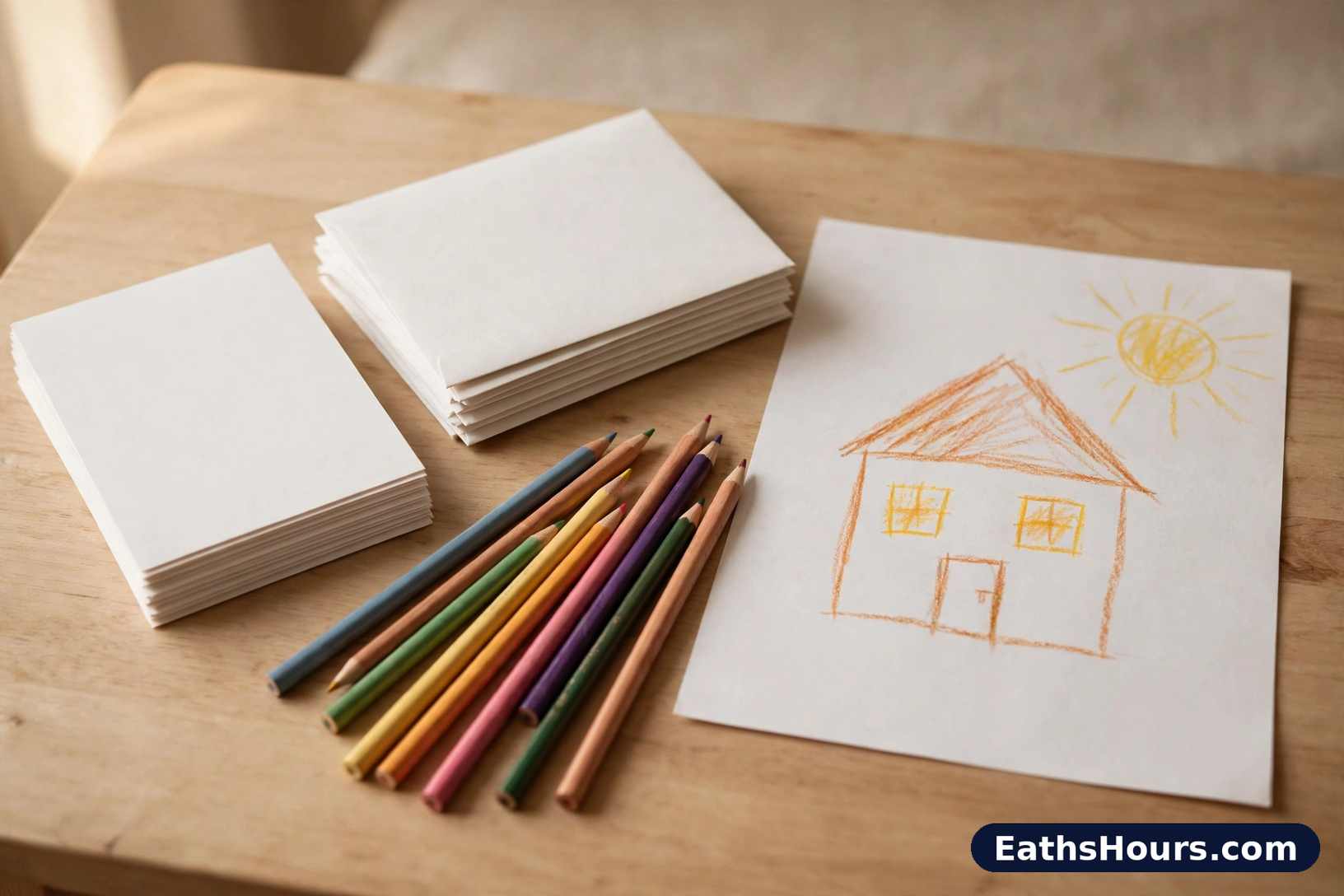
The second kind is the least polished and, by most accounts, the most treasured: drawings made by children — a house, a sun, a family, a garden — offered to defenders as proof of what ordinary life looks like when it is safe. Their value is exactly their imperfection. A crooked roof and an oversized sun tell the receiver that a real child sat down and thought about them, and no professional illustration can reproduce that.
3. Artistic Illustrations on a Military Theme
The third kind is the illustrator’s territory: composed artwork on a military theme, built with deliberate symbolism rather than literal scenes. Done well, these pictures honour service without depicting fighting — silhouettes, light, landscape and emblematic figures carry the meaning. Done carelessly they can tip into spectacle, so the test is simple: a good illustration leaves the viewer thinking about the people being thanked, not about the drama of war.
4. Quotes and Slogans Over Beautiful Images
The fourth kind puts words in front: a line of thanks or a well-known saying laid over a calm, beautiful background — a field, a dawn sky, a quiet street. This is the easiest kind to make and the easiest to get wrong, because borrowed wording spreads fast and wears out. The library below exists for this kind: fresh lines, written for this page, that you can lay over your own photograph or artwork instead of recycling lines thousands of feeds have already used.
24 Fresh Captions for Thank You Pictures and Cards
Twenty-four original lines, arranged by the job each one has to do. The longer ones suit a card interior or the space under a shared picture; the short ones are built for lettering across an image itself. Every line is new, and the count beats the gallery’s own stock of examples — its four kinds carry twelve picture examples, and its making section adds three sample texts.
For a Picture You Share Online
- “A picture can travel where we cannot. This one carries our thanks to the people defending Ukraine — today, and for as long as it takes.”
- “Posting this with gratitude: behind every calm morning stand people who stood watch through the night.”
- “Some messages deserve to be public. Thank you to the defenders whose courage keeps ordinary days ordinary.”
- “We chose this image because words alone felt too small. Thank you — your service is seen, remembered and honoured here.”
- “For the fields in this picture to stay peaceful, someone must guard them. Thank you to everyone who does.”
- “Sharing this so the thanks is not only felt but said: we are grateful for your strength, your patience and your sacrifice.”
- “An ordinary street, an ordinary sky — and the extraordinary people who keep them ours. Thank you.”
- “Let this picture do what it was made for: carry respect from our homes to the people far from theirs.”
For a Card or a Child’s Drawing
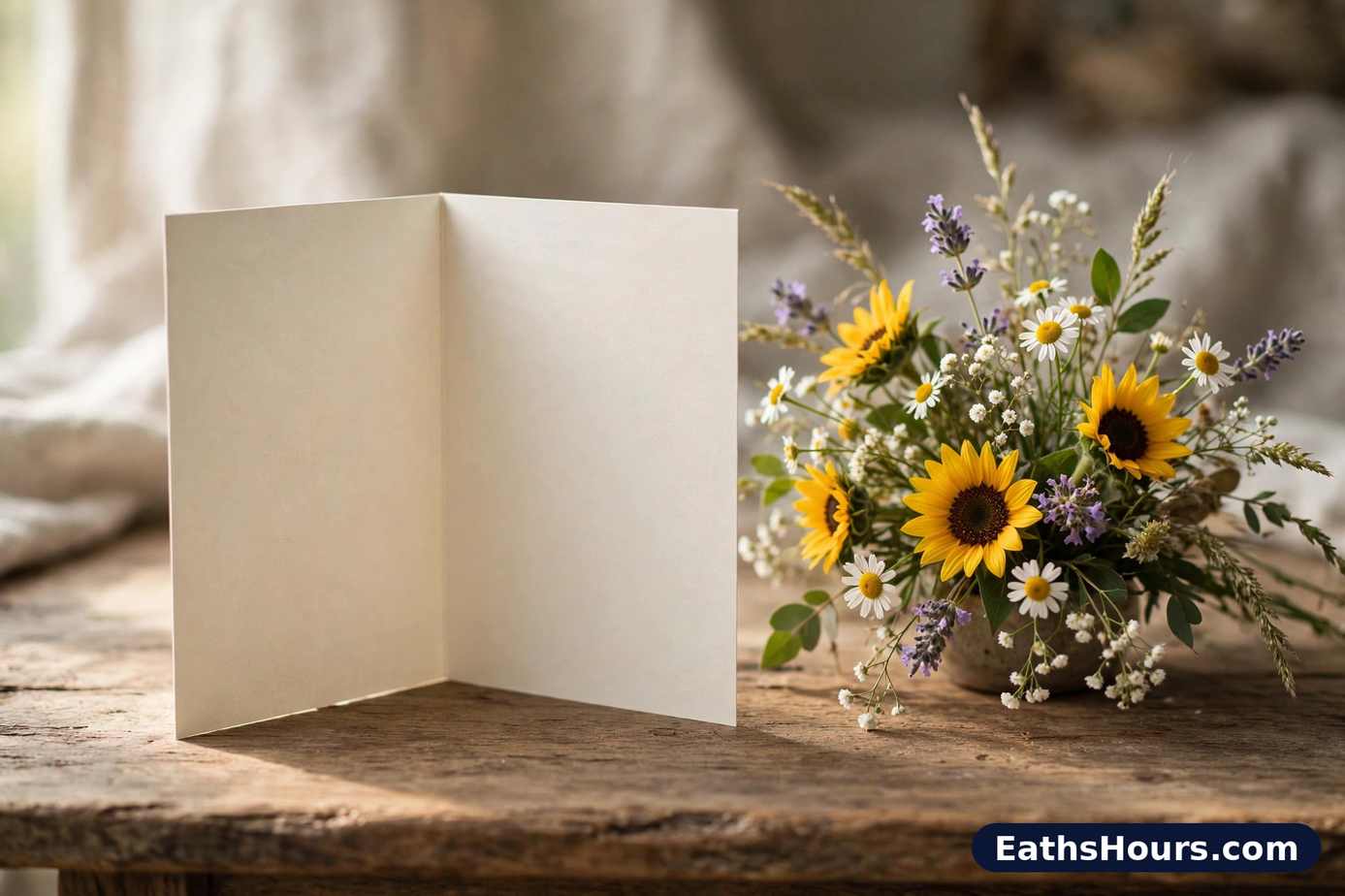
- “Inside this card is a whole household’s gratitude. Thank you for protecting the life we get to live inside these walls.”
- “A child drew this house and asked us to send it to you, because home is the thing you keep safe for all of us.”
- “These colours were chosen carefully and these lines were drawn slowly, all to say one thing clearly: thank you.”
- “Please accept this small picture as a large thank-you — for your bravery, your endurance and your care for people you have never met.”
- “We cannot draw what your service really looks like, so we drew what it protects instead: home, family and a quiet sky.”
- “This drawing travelled a long way to reach you. The thanks inside it travelled from just as far, and it is completely sincere.”
- “Folded into this card: our respect, our best wishes for your safety, and our promise that your service is not forgotten.”
- “A handmade picture for an immeasurable kindness — thank you for standing between danger and the people who love you.”
Short Lines for Lettering on an Image
- “Thank you, defenders — today and always.”
- “Grateful for your watch over us.”
- “Your courage guards our mornings.”
- “With respect, from all of us at home.”
- “Thank you for keeping home safe.”
- “Honouring those who stand for Ukraine.”
- “Our thanks, in every colour.”
- “Stay safe — and know you are thanked.”
How to Create Your Own Thank You ZSU Pictures?
The gallery’s making section is practical: four steps from idea to finished file. They work whether your tool is a pencil, a paintbrush or a free design app.
1. Choose an Idea for Your Picture
Start from the feeling, not the software. Decide whether your picture says thank you for protection, for endurance, for a safe home, or simply for being there — then pick the kind from the first section that matches your skill: a child’s drawing, a symbolic composition, or words over a photograph of a place you love. One clear idea beats three muddled ones sharing a frame.
2. Use Patriotic Colours
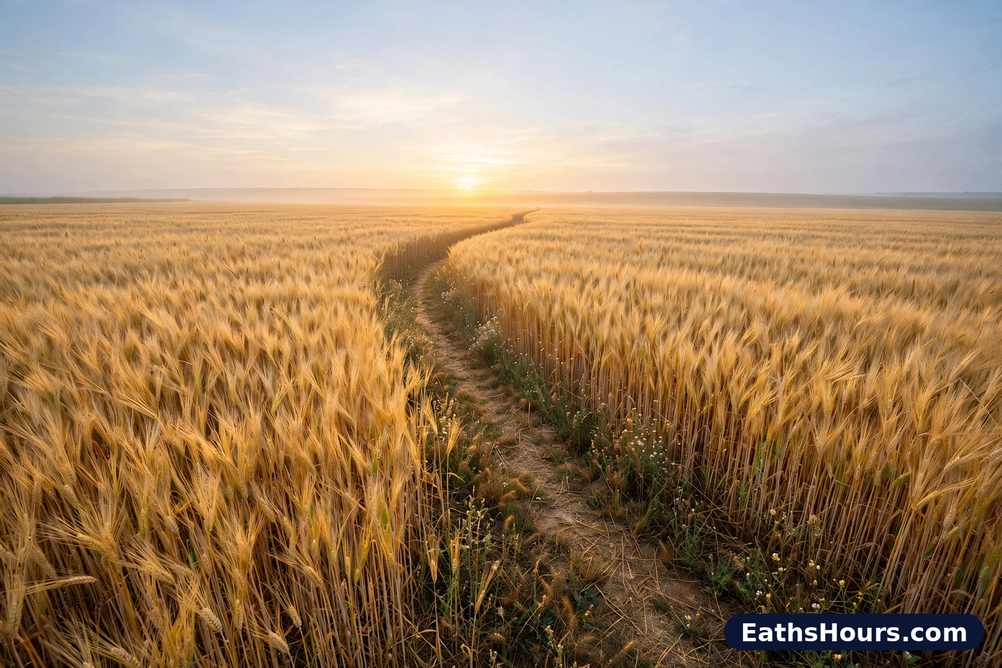
The gallery’s advice is to build on blue and yellow, the colours associated with Ukraine, warmed with tones of hope and strength. Used as a field of wheat under a morning sky, the pairing reads as landscape before it reads as symbolism — which is why it works so well. Keep the palette limited: two main colours and one soft neutral will look intentional; six bright colours will look like an argument.
3. Add Text With Good Wishes
Lettering is where most homemade pictures fail — too many words, too small, in a font chosen for decoration instead of reading. Pick one line from the library above, set it large, and leave it room. If the picture will be printed, read it at arm’s length before you commit; if it will be shared on a phone, shrink it to thumbnail size and check the words still survive.
4. Use Online Tools
You do not need drawing skill to finish a picture. The gallery points beginners to mainstream design tools — the browser-based editors and the well-known photo and vector programs — and the advice holds in English too: start from a blank canvas rather than someone else’s finished artwork, use your own photograph or drawing as the base, and export at a size large enough to print without blurring.
Where to Find Ready-Made Thank You ZSU Pictures?
If making is not for you, the gallery lists four places ready-made pictures circulate: general image search, idea boards, support groups on social networks, and the pages of volunteer organisations that publish artwork for open sharing. Two cautions matter more than the list. First, a picture being easy to download does not make it yours — prefer images their makers have clearly offered for sharing, and credit an artist when a name travels with the work. Second, never lift a child’s drawing or a named artist’s illustration into your own post as if you made it; pass it on with its source attached, or make your own from the ideas above.
How to Share Thank You ZSU Pictures?
A thank-you picture only does its job when it reaches people. The gallery gives three routes, from the widest audience to the most personal.
1. Use Them on Social Media
Post the picture with a paragraph of your own above it — what it means, who it is for, why you are sharing it today. The original page suggests themed hashtags so posts can be gathered and found; whatever tags your community uses, the principle is the same: your own sentence first, the picture second, and a tone that stays grateful rather than argumentative, so the post remains a thank-you from beginning to end.
2. Print and Hand Them Out
Printed pictures live longer than posts. The gallery’s route is to print copies for community displays, school corridors and support events, where a wall of drawings and cards becomes a public statement a whole street can stand behind. Print on the heaviest paper you have, keep lettering large, and leave margins — trim-happy printers eat edges.
3. Pass Them to Soldiers Personally
The most valued route is the direct one: a card or drawing that actually reaches a defender, passed along through family connections, school or workplace collections, or the organisations that already carry such mail. Keep the contents warm and general — thanks, good wishes, a little news of peaceful life at home — and expect nothing back, not even a reply. If a longer written message would say more than a caption can, the companion collection of written thanks in this run shows the letter form this gallery’s pictures so often travel with.
What Makes a Good Thank-You Picture?
Four qualities separate the pictures that get kept from the ones that get scrolled past. First, sincerity you can see: a hand-drawn line or a personally chosen photograph signals effort, and effort is the message. Second, restraint: one symbol, one line of text, one feeling — pictures that try to say everything end up saying nothing clearly. Third, the receiver at the centre: the picture should be about the defender’s service, not about the maker’s cleverness. Fourth, hope in the framing: dawn, home, harvest and reunion point forward, and a thank-you that looks forward gives its receiver something to carry, not just something to remember.
When to Share One: Any Day, Plus One Special Date
No occasion is required — a picture posted during a quiet month can land harder than one posted when every feed is full of them. Still, calendars concentrate attention, and for the country behind these pictures a single date stands out. Since 2023, Ukraine has kept its Defenders Day — the public holiday honouring veterans alongside those currently serving — on 1 October rather than 14 October, after the national calendar reform moved the observance and set it alongside the Feast of the Intercession. Post your best picture on that date and it joins a countrywide chorus; then post another, weeks afterwards and without fanfare, because an unprompted thank-you proves the dated one was genuine.
Details a Thank-You Picture Should Never Carry
Graphic imagery comes first on the banned list: nobody being thanked needs battle scenes or depictions of wounds sent to them by well-wishers. Real unit markings, insignia and recognisable faces come next — a general message of gratitude requires none of them, and civilians are poorly placed to judge which details are sensitive. Political point-scoring has no place either, since it borrows defenders as props for an argument they never joined. Finally, never attach a request for money or donations to the picture: once a thank-you starts asking its audience for something, readers stop seeing gratitude in it at all.
Frequently Asked Questions (FAQ)
Can I create my own thank you ZSU pictures?
Yes — and a picture you made yourself usually means more to its receiver than a polished download, because the effort shows.
Which programs are best for making pictures?
For beginners, the mainstream browser design editors and simple drawing apps are enough; experienced makers use the standard photo and illustration programs.
Can pictures be downloaded for free?
Many are shared openly by their makers and by volunteer organisations — check that an image is actually offered for sharing before you reuse it.
How is it best to pass drawings to soldiers?
Through family connections, school or workplace collections, and the organisations that already forward letters and drawings to defenders.
Why thank the armed forces through pictures?
Because a picture is visible, keepable moral support: it shows defenders that people at home notice their service and stand behind them.
Conclusion
Thank you ZSU pictures are gratitude made visible — a child’s crayons, an illustrator’s symbols, a line of thanks over a field at dawn. The four kinds, the four making steps and the sharing routes on this page cover the whole journey from blank paper to a defender’s hands, and the 24 fresh captions give every kind its wording without borrowing anyone else’s.
Make one this week, however simple. A folded greeting card with one honest line inside it has carried thanks further than many speeches — and a picture made and sent by you, on an ordinary day, is exactly that kind of card.